
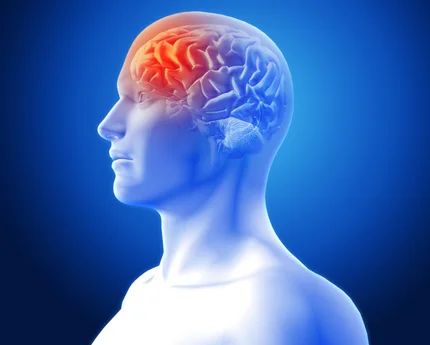
What Is Migraine? How Do Migraines Occur? A severe headache is the most typical sign of the neurologic disease migraine. The headache comes in bursts, and it frequently accompanies nausea, vomiting, and light sensitivity. Symptoms of a migraine Everybody has a different migraine. They often take place in phases in numerous persons. These phases could involve: Prodrome About 60% of migraine sufferers have symptoms hours or days before a headache. having a sensitive sense of smell, sound, or light Fatigue craving food or having no appetite Mood shifts extreme thirst Bloating bloating or diarrhea Aura The cause of these symptoms, which frequently impair your vision, is your neurological system. They often begin gradually, last between five and twenty minutes, and are shorter than an hour. You could see wavy lines, light bursts, dark blotches, or absent things (hallucinations) have a narrow focus to be completely blind One side of your body is tingling or numb. inability to talk clearly Feeling heavy in the arms and legs? experience ringing in the ears Keep an eye out for changes in your ability to taste. Attack A migraine headache frequently starts off as a throbbing sensation before becoming dull. Usually, it gets worse as you exercise. It’s possible for the pain to originate at the front of your head, spread from one side of your head to the other, or feel ubiquitous across your entire brain. A headache and nausea are experienced by roughly 80% of persons, and about half of them vomit. Additionally, you can feel dizzy or cold and pale. The average duration of a migraine attack is 4 hours, although more severe cases can continue up to 3 days. Two to four headaches per month are typical. While some people only experience migraines once or twice a year, others may experience them frequently. Postdrome This stage following a headache can last for up to a day. These signs include: feeling worn out, drained, or irritable Being unusually energized or content aching or weakened muscles craving food or having no appetite Migraine Causes Migraine is a condition that results in headaches similar to migraines. Doctors are unaware of the precise cause of migraine headaches, despite the fact that heredity and changes in your brain seem to be involved. Even migraine causes like exhaustion, harsh lights, or changes in the weather can be inherited from your parents. For a very long time, scientists thought that migraines were caused by changes in the blood flow to the brain. Most people now believe that while it may contribute to discomfort, it does not cause it. Current theories suggest that a migraine headache attack is most likely brought on by your trigeminal nerve, which delivers sensation to your head and face. This signals the release of hormones like serotonin and calcitonin gene-related peptides by your body (CGRP). When CGRP is present, the blood vessels that line the brain swell. The resulting pain and inflammation are subsequently influenced by neurotransmitters. Risk factors for migraines According to the Worldly Migraine Foundation, more than 80 million worldwide suffer from headaches. Some factors could increase your risk of contracting them: Women are three times as likely as males to get migraines. Most people begin experiencing migraines between the ages of 10 and 40 However, many women discover that after the age of 50, their migraines improve or disappear. they turn 50. Family background. Four out of five migraine sufferers have family members who also suffer from the condition. A child has a 50% probability of developing these headaches if one parent has a history of them. The chance increases to 75% if both parents have them. other health problems. Your chances can increase if you have epilepsy, bipolar disorder, depression, anxiety, or bipolar disorder. Migraine Causes among the frequent migraine causes are: hormone alterations When they are ovulating, pregnant, or around their period, many women report having headaches. Symptoms can also be brought on by menopause, hormonal birth control, or hormone replacement therapy. Stress causes your brain to release chemicals that could change your blood vessels and cause a migraine. Aged cheese, alcohol, and food additives like nitrates (found in lunchmeats, hot dogs, and pepperoni), monosodium glutamate (MSG), and others may be to blame in some individuals. leaving out food Caffeine. Receiving too little or too much might cause headaches. Caffeine alone may be used to treat acute migraine attacks. weather variations. A storm front, variations in barometric pressure, strong winds, or elevation changes can all cause migraines. Senses. A migraine may be brought on by potent odors, bright lights, and loud noises. Medications. Vasodilators, which make your blood vessels bigger, can cause them. Physical exercise. Sex and exercise are included in this. Tobacco shifts in how you sleep. When you sleep too much or too little, you could experience headaches. Headache Types Migraines come in many different varieties. The most frequent are migraines without aura and migraines with aura, generally referred to as “classic migraines” (or common migraine). Other kinds consist of: Migraine at a period. When this occurs, the headache and a woman’s period are related. Silent headache. This kind of migraine is sometimes referred to as an acephalgic migraine. You experience symptoms of an aura rather than a headache. Migraine in the vestibule. Whether you have a headache or not, you experience balance issues, vertigo, nausea, and vomiting. People who have previously experienced motion sickness are generally affected by this sort of. constipation headaches Experts don’t know a lot about this variety. It induces nausea, vomiting, and stomach pain. Children are frequently affected by it, and with time, it may turn into migraine headaches as we know them. migraine with hemiparesis. You briefly feel hemiplegia or weakness on one side of your body. You might also have vertigo, numbness, or poor vision. These symptoms may also be signs of a stroke, so get emergency medical help. Ocular migraine. Another name for this illness is retinal migraine or ocular migraine. In addition to a dull headache that may radiate to the other side of your head, it causes a momentary, full, or total

Oncology Oncology, as a scientific field, is defined as the study of tumours and cancers. One denotes bulk, mass, or tumour, and -logy implies study in the word. An oncologist’s role Cancer specialists or oncologists are medical professionals who practise oncology. These oncologists play a variety of roles. They aid in the diagnosis of cancer, the staging of cancer, and the classification of cancer’s aggressiveness. Oncology diagnostic instruments The patient’s clinical history is still the most important diagnostic tool. Fatigue, weight loss, unexplained anaemia, fever of unknown origin, and other symptoms that point to cancer are common. Oncology relies on diagnostic tools such as biopsy, or the removal of tumour tissue and examination under a microscope. Endoscopy for the gastrointestinal tract, imaging studies such as X-rays, CT scanning, MRI scanning, ultrasound and other radiological techniques, Scintigraphy, Single Photon Emission Computed Tomography, Positron Emission Tomography, and nuclear medicine techniques, among others, are other diagnostic tools. Blood tests for biological or tumour markers are common methods. The presence of these markers in the blood may be indicative of cancer. How widespread is cancer? Millions of people are living with or have had cancer today. Cancer is the country’s second leading cause of death. In the United States, approximately half of all men and one-third of all women will develop cancer during their lifetime. How long has cancer existed? Some of the earliest evidence of cancer can be found in fossilised bone tumours, ancient Egyptian human mummies, and ancient manuscripts. Mummies have been found with abnormalities resembling osteosarcoma, a type of bone cancer. The first known description of cancer is found in the Edwin Smith Papyrus, which is a copy of an ancient Egyptian textbook on trauma surgery. It describes eight cases of breast tumours or ulcers treated with cauterization using a tool called the fire drill. It dates from around 3000 BC. The condition is described as “incurable” on the papyrus. Cancer treatment Oncologists assist in the planning of therapy for each of their patients based on the grade and stage of their cancer. This could be accomplished through surgery, chemotherapy, radiation therapy, or other means. Other experts Other specialists may be involved in cancer treatment. This includes surgeons, radiation oncologists, and radiotherapists, among others. Oncologists, on the other hand, oversee the entirety of cancer treatment. Relapse and remission Following the completion of initial therapy, oncologists are responsible for monitoring the patient for relapse and remission. The former denotes a recurrence or return of cancer, whereas being in remission denotes cancer-free status. Screening for cancer Oncology and cancer research entails screening the general population for cancer as well as screening patients’ relatives (for cancers thought to have a hereditary basis). In the case of breast cancer, for example, both population screening with mammography and familial screening with genetic analysis of the BRCA1 and BRCA2 genes are used. Palliative care In patients with terminal cancer, the oncologist is also in charge of palliative or symptomatic care. This and other treatment-choice issues raise several ethical concerns, including patient autonomy and choice, which the oncologist must address. Progress in oncology A massive amount of research is being conducted in all areas of oncology, from cancer cell biology to chemotherapy treatment regimens and optimal palliative care and pain relief. As a result, oncology is a constantly changing and evolving field. Clinical trials are used in cancer research. Patients are frequently enrolled in large studies coordinated by Cancer Research UK (CRUK), the Medical Research Council (MRC), the European Organization for Research and Treatment of Cancer (EORTC), or the National Cancer Research Network (NCRN) in the United Kingdom (NCRN).
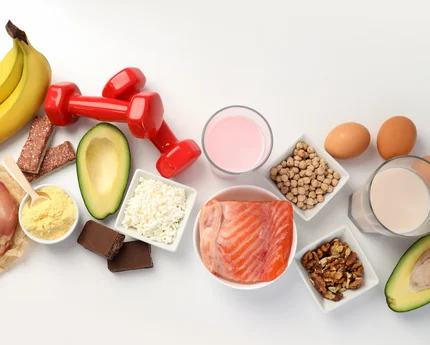
High-Calorie Snacks for Smarter Weight Gain Avocado Toast It’s popular for a reason! Avocado’s creamy texture pairs well with crispy, crunchy whole wheat bread. Spread half an avocado over two slices of toasted whole wheat bread, then season with salt and pepper. You’ll consume roughly 300 calories as well as a lot of heart-healthy monounsaturated fats. Full-Fat Yogurt With Fresh Berries and Honey Full-fat Greek yoghurt contains slightly more calories than regular yoghurt, so if you want to consume extra calories, pick Greek. One cup of whole milk Greek yoghurt contains approximately 238 calories compared to one cup of whole milk normal yoghurt, which has 149 calories. Stir a half-cup of fresh blueberries, strawberries, raspberries, or blackberries into a 6-ounce container of whole milk Greek yoghurt for a delicious afternoon snack or healthy dessert. To sweeten the bargain, drizzle with honey. Chopped nuts can be added for extra healthy fat, vitamin E, and magnesium. Ingredient Protein Balls These protein balls have it all, despite having just three ingredients: protein, fat, and carbohydrates. Not only that, but they’re a piece of cake to create! 1 ½ cup old-fashioned oats, 3 tablespoons honey, and 2/3 cup creamy peanut butter in a food processor Form into balls and you’re ready for some high-calorie, healthy eating. These bits also freeze nicely, so make extra to keep in the freezer. Pita Nachos In terms of health, not all nachos are made equal—but a Mediterranean-style version can be beneficial. Begin with whole wheat pita chips, then layer on hummus, chopped tomatoes, cucumber, red onions, and crumbled feta cheese. It’s a fun twist on a classic that you may even serve as a party snack. DIY Trail Mix Is there a more convenient snack than trail mix? Tossing together a mixture of your favourite nuts, dried fruits, seeds, and even chocolate is as simple as tossing items in a mixing basin and stirring. (And you don’t have to be trekking to enjoy this snack.) Include extra calories by adding banana chips, chocolate candies, and/or macadamia nuts, which are all heavy in fat. For easy grab-and-go simplicity, portion trail mix into zip-top baggies. Blueberry Tofu Smoothie We understand that “smoothie” and “tofu” don’t appear to go together. The benefit of incorporating silken tofu into a fruit smoothie is that it mixes easily, giving protein, calories, and bulk without drastically altering the taste. Peanut Butter on Graham Crackers It may appear easy, but sometimes the simplest solution is the best! Spread two tablespoons of creamy or crunchy peanut butter on two graham crackers for a snack high in calories and fat (19 grams). It will be much better if you can find (or prepare) whole wheat graham crackers. Crunchy Roasted Chickpea Wrap Beans and legumes are a no-brainer for lunch or supper, but these high-fibre, healthful foods can be difficult to squeeze in between meals. (After all, there aren’t many bean-based treats on grocery store shelves.) Crunchy roasted chickpeas are about to alter that! Drain the chickpeas and put them out on a baking sheet. Drizzle generously with olive oil and your chosen seasonings, then roast for about 20 minutes at 425 degrees Fahrenheit. Wrap the roasted chickpeas on lavash bread with crumbled full-fat feta cheese. Cheese and Crackers Beans and legumes are a no-brainer for lunch or supper, but these high-fibre, healthful foods can be difficult to squeeze in between meals. 5 (After all, there aren’t many bean-based treats on grocery store shelves.) Crunchy roasted chickpeas are about to alter that! Drain the chickpeas and put them out on a baking sheet. Drizzle generously with olive oil and your chosen seasonings, then roast for about 20 minutes at 425 degrees Fahrenheit. Wrap the roasted chickpeas on lavash bread with crumbled full-fat feta cheese. Egg Salad Bagel You may be acquainted with egg salad as a meal in and of itself, but it may also serve as a major weight-gain snack. Combine two hard-boiled eggs with a tablespoon of mayonnaise, salt, pepper, and, if preferred, a sprinkle of dried dill. Make a sandwich out of a sliced bagel that has been cut into quarters. Quinoa Dark Chocolate Bark A weight gain diet isn’t always about sweets, although it may surely contain them! Try quinoa dark chocolate bark for a guilt-free sweet treat. Toast a half cup of uncooked quinoa in a pot for a few minutes before melting 8 ounces of dark chocolate. Mix everything together, then spread it out on a baking sheet lined with parchment paper. Freeze until solid, then break into pieces. If you use high-quality dark chocolate, these chocolaty wedges are not only tasty but also packed in antioxidants. In addition, both quinoa and chocolate contain fiber.
Popular Blog
Categories
Monthly Archives
- March 2026
- February 2026
- January 2026
- December 2025
- November 2025
- October 2025
- September 2025
- August 2025
- July 2025
- June 2025
- May 2025
- February 2025
- January 2025
- October 2024
- August 2024
- July 2023
- April 2023
- March 2023
- February 2023
- December 2022
- November 2022
- October 2022
- September 2022
- August 2022
0