

Introduction: World Health Day is celebrated annually on April 7th to commemorate the founding of the World Health Organisation (WHO) in 1948. The purpose of this day is to raise awareness about global health issues and promote the importance of better health for all. The theme for World Health Day 2026 is “Building a Healthier World for All”, which focuses on the need for global solidarity and collaboration to address health inequities and create a fairer and healthier world. World Health Day 2026: Building a Healthier World for All H2: The Significance of World Health Day H2: History of World Health Day H2: The Theme for World Health Day 2026 H2: Health Inequities: A Major Challenge H2: Promoting Better Health for All: What Can We Do? The Significance of World Health Day World Health Day is an important occasion to raise awareness about global health issues, promote healthy lifestyles, and advocate for better healthcare policies and systems. It provides a platform for governments, NGOS, healthcare professionals, and individuals to come together and take action towards achieving better health for all. History of World Health Day: World Health Day was first celebrated in 1950, and it has been observed annually since then. The idea was proposed by the WHO to mark its founding and to draw attention to major global health issues. Every year, a theme is chosen to focus on a specific health issue or challenge. The Theme for World Health Day 2026: The theme for World Health Day 2026 is “Building a Healthier World for All”. This theme highlights the urgent need for global solidarity and collaboration to address health inequities and promote a fairer and healthier world. The COVID-19 pandemic has exposed and exacerbated existing health inequities and disparities, making this year’s theme even more relevant and timely. Health Inequities: A Major Challenge: Health inequities refer to differences in health outcomes and access to healthcare services that are avoidable, unfair, and unjust. These inequities are often driven by social and economic factors such as poverty, gender, race, ethnicity, and education. Health inequities are a major challenge facing the world today, and they contribute to a wide range of health problems, including infectious diseases, non-communicable diseases, and mental health issues. Promoting Better Health for All: What Can We Do? To promote better health for all and address health inequities, we need to take collective action at the global, national, and local levels. Here are some key steps that can be taken: Increase funding for public health: Governments and international organisations must increase their investment in public health programs and systems, particularly in low- and middle-income countries. Strengthen healthcare systems: We need to build strong and resilient healthcare systems that can provide universal access to quality healthcare services, including preventive care and treatment. Address social and economic determinants of health: To reduce health inequities, we must address the underlying social and economic factors that contribute to poor health outcomes, such as poverty, inequality, and discrimination. Promote healthy lifestyles: We can all promote better health by adopting healthy lifestyles, such as eating a balanced diet, engaging in regular physical activity, avoiding tobacco and alcohol use, and getting enough sleep. FAQs: Q: What is the theme for World Health Day 2026? A: The theme for World Health Day 2026 is “Building a Healthier World for All”. This theme highlights the urgent need for global solidarity and collaboration to address health inequities and promote a fairer and healthier world. Q: Why is World Health Day important? A: World Health Day is important because it raises awareness about global health issues, promotes healthy lifestyles, and advocates for better healthcare policies and systems. It provides a platform for governments, NGOS, healthcare professionals, and individuals to come together and take action toward achieving better health for all. Q: How can we address health inequities? A: To address health inequities, we need to take collective action at the global, national, and local levels. This includes increasing funding for public health, strengthening healthcare systems, addressing social and economic determinants of health, and promoting healthy lifestyles. Conclusion World Health Day is an important occasion to raise awareness about global health issues and promote better health for all. The theme for World Health Day 2026, “Building a Healthier World for All”, highlights the need for global solidarity and collaboration to address health inequities and create a fairer and healthier world. To achieve this goal, we need to take collective action at the global, national, and local levels and address the social and economic factors that contribute to poor health outcomes. By working together, we can create a world where everyone has the opportunity to lead a healthy and fulfilling life.

Cluster headaches Cluster headaches are a sequence of daily, rather short-lasting, excruciating headaches that can last for weeks or months. They usually come at the same time every year, such as in the spring or fall. As a result, cluster headaches are frequently misdiagnosed as allergies or stress-related symptoms. The exact origin is unknown, but a nerve in your face is implicated, causing excruciating agony near one of your eyes. It’s so bad that most people can’t sit still and pace a lot when they’re having an attack. Although cluster headaches typically don’t last as long as migraines, they might be more painful. Less than one in 1,000 persons experience these headaches, making them the least frequent form. They are more common in men than in women. They typically begin before the age of 30. For months or years, cluster headaches may entirely disappear (this is known as going into remission), but they can return suddenly. What Occurs When a neural route in the base of your brain is activated, you experience cluster headaches. The hypothalamus, a deeper region of the brain that houses the “internal biological clock” that regulates your sleep and waking cycles, appears to be the source of that signal. The trigeminal nerve, which is damaged, is in charge of feelings like heat or discomfort in your face. It starts close to your eye and branches out above your ear on the same side, across your cheek, along your jaw, and up to your forehead. These headaches are not brought on by a tumour or aneurysm in the brain. Cluster Headaches: Their Features There are a few characteristics that distinguish this kind of headache. They consist of: In 5 to 10 minutes, cluster headaches typically reach their peak intensity. When you’re experiencing daily attacks, it’s usually always on one side of your head and stays there for a while. (On rare occasions, the headache may shift to the opposite side as a new headache period begins.) It is frequently described as piercing or searing. It could be throbbing or never-ending. It will be felt behind or near one eye. Your forehead, temples, nose, cheek, or upper gum on that side could all be affected. Your scalp might be sensitive. Your pulse can frequently be felt. brief in duration. The typical duration of a cluster headache is 30 to 90 minutes. They can last anywhere from 15 minutes to 3 hours, but they eventually go. These headaches are likely to occur one to three times per day for you. Others receive them up to eight times every day, while some only receive one every other day. Attacks appear to be related to your body’s internal 24-hour schedule, the circadian rhythm. They are known as “alarm clock headaches” because they typically occur at the same time every day and so frequently. Even a few hours after you go to bed, they might wake you up. A nighttime assault may be more serious than one during the day. Symptoms The pain typically begins quickly, frequently in the area of or behind the eye. You might observe: Pain or a little burning sensation eye swelling or drooping The pupil of the eye is smaller. Red or watery eyes clogged or runny nose a warm, rosy face Sweating responsiveness to light Pacing, restlessness, or agitation Smokers and heavy drinkers are more likely to experience cluster headaches. You’ll be more susceptible to alcohol and nicotine during a cluster phase. Even a small amount of alcohol might cause a headache. However, when there are no headaches, drinking won’t result in one. Triggers Any of these can cause a headache while you are experiencing a cluster period: tobacco smoke Alcohol strong odours Increase the altitude glaring light Effort or exercise Heat nitrate-containing foods like bacon and lunch meat. Cocaine Cluster headaches versus migraines The discomfort from both forms of headaches is severe. However, they hurt differently and you feel them in different places. The duration of a migraine headache might range from a few hours to many days. Up to a day before the discomfort begins, you could experience some warning symptoms including food cravings or mood swings. Auras may also be present shortly prior to the migraine attack. You have throbbing agony from a migraine. A migraine may hurt on both sides of your head, just one side, or along your forehead, whereas a cluster headache typically just hurts one side of your head. Moving your head will likely make it worse. You might also: nausea and diarrhoea Light, sound, and scent sensitivity Auras are coloured dots, lines, flashing lights, or sparkles that appear in your field of view. tingling or numbness Weakness speech or hearing difficulties You could experience a sort of “hangover” after a migraine, where you feel exhausted or disoriented. Your doctor could refer to this time as the postdrome phase. A migraine can be brought on by numerous reasons, including: alterations in the climate excessive or insufficient slumber strong odours Stress loud sounds food is not enough Depression or anxiety certain medications hormone alterations Certain meals, caffeine, and food additives When it comes to treating cluster headaches, you have a number of options: Medications When a headache strikes, these therapies are helpful: Triptans. One of the finest ways to relieve pain is with these medications. You might be prescribed Zolmitriptan (Zomig), dihydroergotamine, or sumatriptan (Imitrex, Onzetra Xsail, Sumavel, Zecuity, or Zembrace SymTouch), which can be administered orally or topically (DHE 45). The ergot fungus serves as the basis for this prescription drug. Octreotide. This is a synthetic version of the growth hormone somatostatin. You administer it intravenously (IV). Lidocaine. This is a nasal spray that acts as a pain reliever. Oxygen. Your doctor can refer to it as oxygen breathed. For 15 minutes, you’ll breathe it in using a face mask. Often, preventive medicine can ward off headaches before they begin. Your doctor may recommend the following drugs to lessen the severity of attacks and shorten clusters: Prednisone and
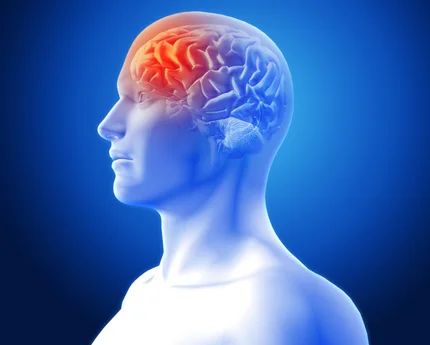
What Is Migraine? How Do Migraines Occur? A severe headache is the most typical sign of the neurologic disease migraine. The headache comes in bursts, and it frequently accompanies nausea, vomiting, and light sensitivity. Symptoms of a migraine Everybody has a different migraine. They often take place in phases in numerous persons. These phases could involve: Prodrome About 60% of migraine sufferers have symptoms hours or days before a headache. having a sensitive sense of smell, sound, or light Fatigue craving food or having no appetite Mood shifts extreme thirst Bloating bloating or diarrhea Aura The cause of these symptoms, which frequently impair your vision, is your neurological system. They often begin gradually, last between five and twenty minutes, and are shorter than an hour. You could see wavy lines, light bursts, dark blotches, or absent things (hallucinations) have a narrow focus to be completely blind One side of your body is tingling or numb. inability to talk clearly Feeling heavy in the arms and legs? experience ringing in the ears Keep an eye out for changes in your ability to taste. Attack A migraine headache frequently starts off as a throbbing sensation before becoming dull. Usually, it gets worse as you exercise. It’s possible for the pain to originate at the front of your head, spread from one side of your head to the other, or feel ubiquitous across your entire brain. A headache and nausea are experienced by roughly 80% of persons, and about half of them vomit. Additionally, you can feel dizzy or cold and pale. The average duration of a migraine attack is 4 hours, although more severe cases can continue up to 3 days. Two to four headaches per month are typical. While some people only experience migraines once or twice a year, others may experience them frequently. Postdrome This stage following a headache can last for up to a day. These signs include: feeling worn out, drained, or irritable Being unusually energized or content aching or weakened muscles craving food or having no appetite Migraine Causes Migraine is a condition that results in headaches similar to migraines. Doctors are unaware of the precise cause of migraine headaches, despite the fact that heredity and changes in your brain seem to be involved. Even migraine causes like exhaustion, harsh lights, or changes in the weather can be inherited from your parents. For a very long time, scientists thought that migraines were caused by changes in the blood flow to the brain. Most people now believe that while it may contribute to discomfort, it does not cause it. Current theories suggest that a migraine headache attack is most likely brought on by your trigeminal nerve, which delivers sensation to your head and face. This signals the release of hormones like serotonin and calcitonin gene-related peptides by your body (CGRP). When CGRP is present, the blood vessels that line the brain swell. The resulting pain and inflammation are subsequently influenced by neurotransmitters. Risk factors for migraines According to the Worldly Migraine Foundation, more than 80 million worldwide suffer from headaches. Some factors could increase your risk of contracting them: Women are three times as likely as males to get migraines. Most people begin experiencing migraines between the ages of 10 and 40 However, many women discover that after the age of 50, their migraines improve or disappear. they turn 50. Family background. Four out of five migraine sufferers have family members who also suffer from the condition. A child has a 50% probability of developing these headaches if one parent has a history of them. The chance increases to 75% if both parents have them. other health problems. Your chances can increase if you have epilepsy, bipolar disorder, depression, anxiety, or bipolar disorder. Migraine Causes among the frequent migraine causes are: hormone alterations When they are ovulating, pregnant, or around their period, many women report having headaches. Symptoms can also be brought on by menopause, hormonal birth control, or hormone replacement therapy. Stress causes your brain to release chemicals that could change your blood vessels and cause a migraine. Aged cheese, alcohol, and food additives like nitrates (found in lunchmeats, hot dogs, and pepperoni), monosodium glutamate (MSG), and others may be to blame in some individuals. leaving out food Caffeine. Receiving too little or too much might cause headaches. Caffeine alone may be used to treat acute migraine attacks. weather variations. A storm front, variations in barometric pressure, strong winds, or elevation changes can all cause migraines. Senses. A migraine may be brought on by potent odors, bright lights, and loud noises. Medications. Vasodilators, which make your blood vessels bigger, can cause them. Physical exercise. Sex and exercise are included in this. Tobacco shifts in how you sleep. When you sleep too much or too little, you could experience headaches. Headache Types Migraines come in many different varieties. The most frequent are migraines without aura and migraines with aura, generally referred to as “classic migraines” (or common migraine). Other kinds consist of: Migraine at a period. When this occurs, the headache and a woman’s period are related. Silent headache. This kind of migraine is sometimes referred to as an acephalgic migraine. You experience symptoms of an aura rather than a headache. Migraine in the vestibule. Whether you have a headache or not, you experience balance issues, vertigo, nausea, and vomiting. People who have previously experienced motion sickness are generally affected by this sort of. constipation headaches Experts don’t know a lot about this variety. It induces nausea, vomiting, and stomach pain. Children are frequently affected by it, and with time, it may turn into migraine headaches as we know them. migraine with hemiparesis. You briefly feel hemiplegia or weakness on one side of your body. You might also have vertigo, numbness, or poor vision. These symptoms may also be signs of a stroke, so get emergency medical help. Ocular migraine. Another name for this illness is retinal migraine or ocular migraine. In addition to a dull headache that may radiate to the other side of your head, it causes a momentary, full, or total
Popular Blog
Categories
Monthly Archives
- April 2026
- March 2026
- February 2026
- January 2026
- December 2025
- November 2025
- October 2025
- September 2025
- August 2025
- July 2025
- June 2025
- May 2025
- February 2025
- January 2025
- October 2024
- August 2024
- July 2023
- April 2023
- March 2023
- February 2023
- December 2022
- November 2022
- October 2022
- September 2022
- August 2022
0