
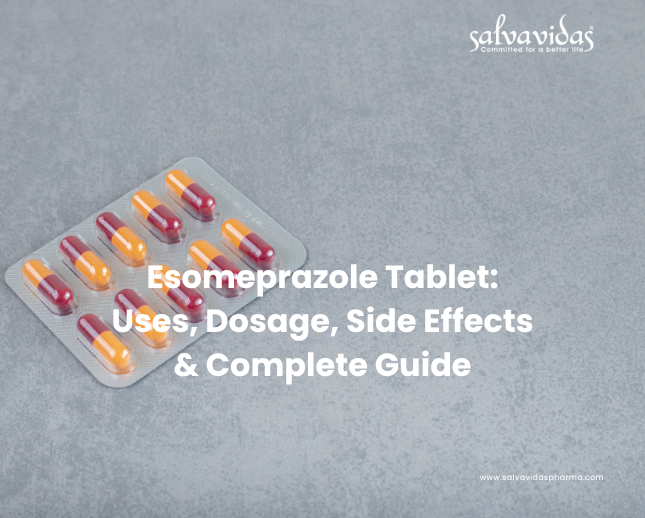
Esomeprazole Tablet: Complete Guide What Is Esomeprazole Tablet? Drug Class and Composition If you’ve ever felt that burning sensation rising from your stomach to your chest after a heavy or spicy meal, you already understand how uncomfortable acid-related problems can be. This is where esomeprazole tablets come into play. They belong to a class of medications known as proton pump inhibitors (PPIs), which are specifically designed to reduce the amount of acid produced in the stomach. Instead of just masking the symptoms, these tablets address the root cause—excess acid production. Think of your stomach as a factory that continuously produces acid to digest food. Normally, this process works perfectly. But sometimes, the factory produces more acid than needed, leading to irritation, inflammation, and even damage to the stomach lining or food pipe. Esomeprazole works like a smart control system that slows down this overproduction without completely shutting it off. These tablets are widely prescribed because they offer both symptomatic relief and long-term healing benefits. Whether it’s occasional heartburn or chronic digestive disorders, esomeprazole plays a crucial role in managing these conditions effectively. Mechanism of Action Understanding how esomeprazole works doesn’t require a medical degree—let’s simplify it. Inside your stomach lining, there are tiny structures called proton pumps. These pumps are responsible for releasing acid into the stomach. When they become overactive, acid levels increase, causing discomfort and potential damage. Esomeprazole blocks these proton pumps, reducing acid production significantly. Imagine turning down the intensity of a flame instead of putting it out completely—that’s exactly what happens here. The stomach still produces enough acid for digestion, but not so much that it causes harm. This controlled reduction allows inflamed tissues in the esophagus and stomach to heal naturally. Over time, it not only relieves symptoms like heartburn and acid reflux but also prevents complications such as ulcers and erosions. Uses of Esomeprazole Tablet GERD and Acid Reflux One of the most common uses of esomeprazole tablets is treating gastroesophageal reflux disease (GERD). This condition occurs when stomach acid flows backward into the esophagus, causing irritation and that familiar burning sensation known as heartburn. GERD is more common than many people realize, especially among individuals with unhealthy eating habits, high stress levels, or sedentary lifestyles. Esomeprazole helps by lowering acid levels, which reduces irritation and allows the esophagus to heal. Many people notice relief within a few days, but the real benefit comes from consistent use over a few weeks. It not only eases symptoms but also protects the esophagus from long-term damage. Peptic Ulcers Esomeprazole is also highly effective in treating peptic ulcers, which are sores that develop on the inner lining of the stomach or the upper part of the small intestine. These ulcers often result from excessive acid production or prolonged use of certain pain medications. By reducing acid levels, esomeprazole creates a favorable environment for healing. It acts like a protective shield, preventing further irritation of the ulcer and allowing the body’s natural repair mechanisms to do their job. In many cases, it is used alongside antibiotics to treat ulcers caused by bacterial infections. This combined approach not only heals the ulcer but also reduces the chances of recurrence. Zollinger-Ellison Syndrome This is a rare condition where the stomach produces extremely high levels of acid due to certain tumors. Esomeprazole is often prescribed in higher doses to control acid secretion and prevent complications. Even though this condition is uncommon, the effectiveness of esomeprazole in managing it highlights the strength and versatility of this medication. H. pylori Eradication Therapy Esomeprazole is frequently used as part of combination therapy to treat infections caused by Helicobacter pylori, a bacteria linked to ulcers. By reducing stomach acid, it enhances the effectiveness of antibiotics and supports faster healing. Dosage and Administration Adult Dosage Guidelines Esomeprazole is frequently used as part of combination therapy to treat infections caused by Helicobacter pylori, a bacteria linked to ulcers. By reducing stomach acid, it enhances the effectiveness of antibiotics and supports faster healing. Pediatric Dosage For children, the dosage is usually lower and carefully calculated based on age and body weight. Pediatric use should always be supervised by a healthcare professional to ensure safety and effectiveness. When and How to Take Timing plays a key role in how well esomeprazole works. It is best taken at least one hour before meals, preferably in the morning. This allows the medication to act on the proton pumps before they become active during digestion. Swallow the tablet whole with water and avoid crushing or chewing it, as this can affect how the drug is absorbed in the body. Benefits of Esomeprazole Tablets Symptom Relief One of the standout benefits of esomeprazole is how quickly it provides relief from symptoms like heartburn, acid reflux, and indigestion. Within a few days, most users start noticing a significant improvement in their condition. Healing Properties Beyond immediate relief, esomeprazole supports long-term healing of damaged tissues. It helps repair the lining of the esophagus and stomach, reducing the risk of complications and improving overall digestive health. Side Effects Common Side Effects Like any medication, esomeprazole may cause some mild side effects, including: Headache Nausea Diarrhea Abdominal discomfort These are generally temporary and tend to resolve as the body adjusts to the medication. Serious Adverse Effects Although rare, some serious side effects can occur, such as: Kidney-related issues Severe allergic reactions Persistent diarrhea If any unusual or severe symptoms appear, medical attention should be sought immediately. Long-Term Risks Nutritional Deficiencies Long-term use of esomeprazole may interfere with the absorption of certain nutrients, particularly vitamin B12. This happens because reduced stomach acid affects how nutrients are broken down and absorbed. Bone Health Concerns Extended use may also increase the risk of bone-related issues, including fractures. This is especially important for older adults or individuals with existing bone conditions. Precautions Contraindications Esomeprazole should be used cautiously in individuals with liver problems or known allergies to similar medications. Always consult a healthcare professional before starting treatment. Drug Interactions This
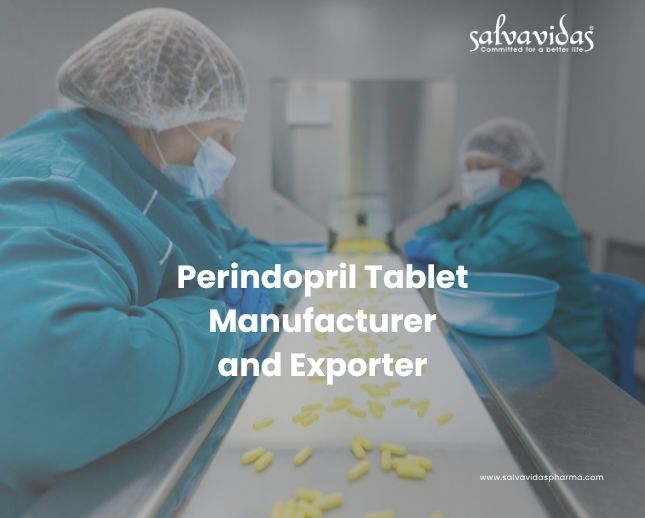
Perindopril Tablet Manufacturer and Exporter As a Perindopril Tablets Manufacturer, we produce high quality products that are exported to regulated international pharmaceutical markets. We produce our tablet formulations under the required pharmaceutical manufacturing standards and distribute them to healthcare distributors, pharmaceutical importers, and institutional buyers worldwide. We have a catalogue that features a number of tablet strengths tailored to the needs of international pharmaceutical procurement. We have Perindopril Arginine Tablets and Perindopril Arginine and Amlodipine Tablets, which are both made in regulated, controlled environments and come with export documentation. Request Product Dossier | Enquire for Export Product Overview Pharmaceutical Information Omeprazole is a pharmaceutical compound that has an international reach. It belongs to the proton pump inhibitor (PPI) class and is widely used in global pharmaceutical supply chains for gastrointestinal conditions. We ensure that our capsule and injectable products are made using the best technologies and in the best conditions to ensure the consistency of the products and the traceability of each batch. Pharmaceutical importers and institutional buyers often require different formulation strengths depending on procurement frameworks and healthcare supply systems. We have the capabilities to manufacture Omeprazole Capsule 40 mg and Omeprazole Injection for export markets. The product is supplied in a ready-to-use condition with pharmaceutical-grade packaging suited for international export. Available Strengths For the attributes of global pharmaceutical procurement, our manufacturing facilities are able to supply a multitude of strengths in an international range. Perindopril Arginine Tablets — monotherapy formulation widely used in regulated international cardiovascular markets. Perindopril Arginine and Amlodipine Tablets —for the treatment of hypertension as a dual combination tablet. Perindopril Arginine and Indapamide Tablets — combination formulation used to treat high blood pressure. Perindopril Arginine, Indapamide and Amlodipine Tablets — triple combination tablet for institutional and healthcare procurement agencies. Perindopril Erbumine Tablets — alternative salt formulation available for export to global pharmaceutical markets. This range of products enables pharmaceutical wholesalers and healthcare procurement agencies to obtain products as per their regulatory and supply constraints. Product Specifications Technical Specifications Product Name Perindopril Tablets Pharmaceutical Form Tablets (Monotherapy & Combination) Therapeutic Category ACE Inhibitor – Cardiovascular Pharmaceutical Compound Appearance Finished pharmaceutical formulation in solid dosage form Shelf Life As per batch manufacturing specifications Storage Conditions Store in a cool, dry place away from direct light. Packaging Type Pharmaceutical packaging suitable for export Strength Availability Perindopril Arginine, Erbumine, and combination variants available for international markets These specifications guarantee product traceability, quality assurance, and transparency in manufacturing for regulatory agencies and pharmaceutical importers. Manufacturing & Quality Compliance Global Pharmaceutical Manufacturing Standards At Salvavidas Pharmaceuticals, we believe that quality control is a critical component of every production cycle. That’s why every single batch is meticulously manufactured and scrutinized under tight controls to ensure compliance with global production standards. This is the reason why we pride ourselves on the Finish Formulation Services that we offer. Consistency and quality are the hallmarks of the formulation services that we offer. We ensure that our services meet and exceed international pharmaceutical standards. We assure our clients the utmost dedication, quality, and care in the formulation process. Here are some highlights regarding quality and compliance: Operational unit that is compliant with WHO-GMP Certificate of Analysis (COA) is available for export shipments Traceability of each batch and documentation of the batch for support of regulatory submissions Our quality assurance systems are complemented by third-party testing, regulatory documentation, and batch verification as required by pharmaceutical distributors and procurement agencies across the globe. Perindopril Tablet Exporter for Latin America, Asia, Europe & Global Markets International Pharmaceutical Export Supply We have been exporting Perindopril Tablet formulations to numerous pharmaceutical markets in line with global cardiovascular treatment guidelines. Our export activities are aimed at pharmaceutical distributors, government procurement bodies, and institutional buyers who seek reliable sources of antihypertensive medicines. We supply Perindopril Tablets to the following countries: Uzbekistan, Panama, Venezuela, Haiti, Cayman Islands, Honduras, El-Salvador, Guatemala, Ukraine, Slovakia, Myanmar, Vietnam, and Tajikistan and various other countries with regulated pharmaceutical markets. We prioritize structured export documentation, regulatory compliance, and customized professional logistics to support our global pharmaceutical partners in procuring these formulations. Why Choose Our Pharmaceutical Export Solutions Trusted Global Pharmaceutical Supply Partner We prioritize pharmaceutical distributors and healthcare procurement organizations and offer them fully compliant supply solutions. Our export advantages include: End-to-end logistics of international procurement of pharmaceuticals from manufacturers International bulk purchase logistics for distributors and institutional buyers Flexible packaging options to meet country-specific regulatory requirements Dedicated export documentation and regulatory support team Working in international pharmaceutical trade has provided us the knowledge for our global partners to gain access to pharmaceutical products through successful export trade and uninterrupted supply. B2B Inquiry for Perindopril Tablet Supply Contact Our Export Team Our team can help companies that want to find a Perindopril Tablets manufacturer and exporter by helping with product paperwork, regulatory help, and the logistics of export supply. Visit Salvavidas Pharmaceuticals to find out more about how we can make medicines and what we sell around the world. Submit Your Inquiry Company Name Country Name Select a countryAfghanistanAlbaniaAlgeriaAndorraAngolaAntigua and BarbudaArgentinaArmeniaAustraliaAustriaAzerbaijanBahamasBahrainBangladeshBarbadosBelarusBelgiumBelizeBeninBhutanBoliviaBosnia and HerzegovinaBotswanaBrazilBruneiBulgariaBurkina FasoBurundiCabo VerdeCambodiaCameroonCanadaCentral African RepublicChadChileChinaColombiaComorosCongo, Democratic Republic of theCongo, Republic of theCosta RicaCroatiaCubaCyprusCzech RepublicDenmarkDjiboutiDominicaDominican RepublicEast TimorEcuadorEgyptEl SalvadorEquatorial GuineaEritreaEstoniaEswatiniEthiopiaFijiFinlandFranceGabonGambiaGeorgiaGermanyGhanaGreeceGrenadaGuatemalaGuineaGuinea-BissauGuyanaHaitiHondurasHungaryIcelandIndiaIndonesiaIranIraqIrelandIsraelItalyJamaicaJapanJordanKazakhstanKenyaKiribatiKorea, NorthKorea, SouthKosovoKuwaitKyrgyzstanLaosLatviaLebanonLesothoLiberiaLibyaLiechtensteinLithuaniaLuxembourgMadagascarMalawiMalaysiaMaldivesMaliMaltaMarshall IslandsMauritaniaMauritiusMexicoMicronesiaMoldovaMonacoMongoliaMontenegroMoroccoMozambiqueMyanmarNamibiaNauruNepalNetherlandsNew ZealandNicaraguaNigerNigeriaNorth MacedoniaNorwayOmanPakistanPalauPalestinePanamaPapua New GuineaParaguayPeruPhilippinesPolandPortugalQatarRomaniaRussiaRwandaSaint Kitts and NevisSaint LuciaSaint Vincent and the GrenadinesSamoaSan MarinoSao Tome and PrincipeSaudi ArabiaSenegalSerbiaSeychellesSierra LeoneSingaporeSlovakiaSloveniaSolomon IslandsSomaliaSouth AfricaSouth SudanSpainSri LankaSudanSurinameSwedenSwitzerlandSyriaTaiwanTajikistanTanzaniaThailandTogoTongaTrinidad and TobagoTunisiaTurkeyTurkmenistanTuvaluUgandaUkraineUnited Arab EmiratesUnited KingdomUnited StatesUruguayUzbekistanVanuatuVatican CityVenezuelaVietnamYemenZambiaZimbabwe Quantity Required Regulatory Requirement Email Address Contact Number
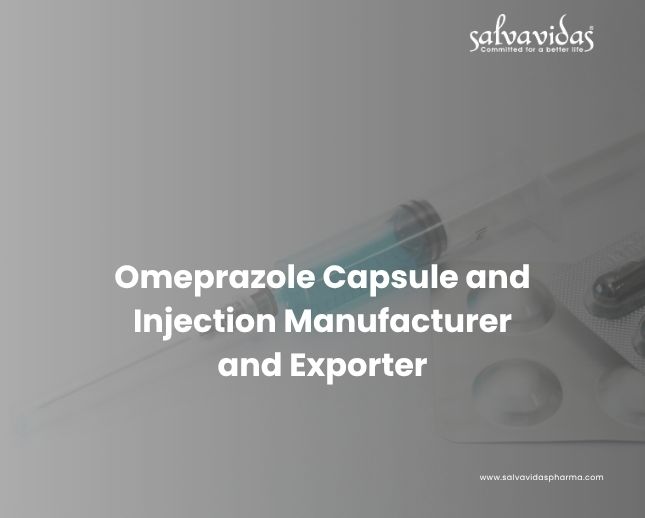
Omeprazole Capsule and Injection Manufacturer and Exporter As an Omeprazole Capsule and Injection Manufacturer, we produce high quality products that are exported to regulated international pharmaceutical markets. We produce our capsule and injectable formulations under the required pharmaceutical manufacturing standards and distribute them to healthcare distributors, pharmaceutical importers, and institutional buyers worldwide. We have a list with a number of formulation strengths that are specifically made for buying medicines from other countries. We have Omeprazole Capsule 20 mg and Omeprazole Capsule 40 mg. Both are made in controlled settings and come with paperwork for export. Request Product Dossier | Enquire for Export Product Overview Pharmaceutical Information Omeprazole is a pharmaceutical compound that has an international reach. It belongs to the proton pump inhibitor (PPI) class and is widely used in global pharmaceutical supply chains for gastrointestinal conditions. We ensure that our capsule and injectable products are made using the best technologies and in the best conditions to ensure the consistency of the products and the traceability of each batch. Pharmaceutical importers and institutional buyers often require different formulation strengths depending on procurement frameworks and healthcare supply systems. We have the capabilities to manufacture Omeprazole Capsule 40 mg and Omeprazole Injection for export markets. The product is supplied in a ready-to-use condition with pharmaceutical-grade packaging suited for international export. Available Strengths For the attributes of global pharmaceutical procurement, our manufacturing facilities are able to supply a multitude of strengths in an international range. Omeprazole Capsule 20 mg — Extra-strength capsules that a lot of people can use in foreign markets that are controlled. Omeprazole Capsule 40 mg — higher strength capsule for institutional and healthcare procurement agencies. Omeprazole Injection — injectable formulation for hospital and clinical supply in export markets. This range of products enables pharmaceutical wholesalers and healthcare procurement agencies to obtain products as per their regulatory and supply constraints. Product Specifications Technical Specifications Product Name Omeprazole Capsules and Injection Pharmaceutical Form Capsules, Injectable Therapeutic Category Proton Pump Inhibitor (PPI) – Gastrointestinal Pharmaceutical Compound Appearance Finished pharmaceutical formulation in solid and injectable dosage forms Shelf Life As per batch manufacturing specifications Storage Conditions Store in a cool, dry place away from direct light. Packaging Type Pharmaceutical packaging suitable for export Strength Availability Omeprazole Capsule 20 mg, 40 mg, and Omeprazole Injection These specifications guarantee product traceability, quality assurance, and transparency in manufacturing for regulatory agencies and pharmaceutical importers. Manufacturing & Quality Compliance Global Pharmaceutical Manufacturing Standards At Salvavidas Pharmaceuticals, we believe that quality control is a critical component of every production cycle. That’s why every single batch is meticulously manufactured and scrutinized under tight controls to ensure compliance with global production standards. This is the reason why we pride ourselves on the Finish Formulation Services that we offer. Consistency and quality are the hallmarks of the formulation services that we offer. We ensure that our services meet and exceed international pharmaceutical standards. We assure our clients of utmost dedication, quality, and care in the formulation process. Here are some highlights regarding quality and compliance: Operational units that is compliant with WHO-GMP Certificate of Analysis (COA) is available for export shipments Traceability of each batch and documentation of the batch for support regulatory submissions Our quality assurance systems are complemented by third-party testing, regulatory documentation, and batch verification as required by pharmaceutical distributors and procurement agencies across the globe. Omeprazole Capsule and Injection Exporter for Africa, Asia & Global Markets International Pharmaceutical Export Supply We have been exporting Omeprazole Capsules and Injection formulations to numerous pharmaceutical markets in line with global healthcare procurement guidelines. Our export activities are aimed at pharmaceutical distributors, government procurement bodies, and institutional buyers who seek reliable sources of gastrointestinal medicines. We supply Omeprazole Capsules and Injections to the following countries: South Sudan, Somalia, Sierra Leone, Angola, Guinea-Bissau, Burundi, Guinea-Conakry, Congo-Brazzaville, Central African Republic, Mozambique, Cambodia, Laos, and Myanmar and various other countries with regulated pharmaceutical markets. We prioritize structured export documentation, regulatory compliance, and customized professional logistics to support our global pharmaceutical partners in procuring these formulations. Why Choose Our Pharmaceutical Export Solutions Trusted Global Pharmaceutical Supply Partner We give priority to pharmaceutical distributors and healthcare procurement organizations and provide them with supply options that are fully compliant. Our export advantages include: End-to-end logistics of international procurement of pharmaceuticals from manufacturers International bulk purchase logistics for distributors and institutional buyers Flexible packaging options to meet country-specific regulatory requirements Dedicated export documentation and regulatory support team Working in international pharmaceutical trade has provided us the knowledge for our global partners to gain access to pharmaceutical products through successful export trade and uninterrupted supply. B2B Inquiry for Omeprazole Capsule and Injection Supply Contact Our Export Team When a company needs to find a manufacturer and exporter of Omeprazole Capsules and Injections, our team can help with product paperwork, regulatory help, and the logistics of export supply. Visit Salvavidas Pharmaceuticals to find out more about how we can make medicines and what we sell around the world. Submit Your Inquiry Company Name Country Name Select a countryAfghanistanAlbaniaAlgeriaAndorraAngolaAntigua and BarbudaArgentinaArmeniaAustraliaAustriaAzerbaijanBahamasBahrainBangladeshBarbadosBelarusBelgiumBelizeBeninBhutanBoliviaBosnia and HerzegovinaBotswanaBrazilBruneiBulgariaBurkina FasoBurundiCabo VerdeCambodiaCameroonCanadaCentral African RepublicChadChileChinaColombiaComorosCongo, Democratic Republic of theCongo, Republic of theCosta RicaCroatiaCubaCyprusCzech RepublicDenmarkDjiboutiDominicaDominican RepublicEast TimorEcuadorEgyptEl SalvadorEquatorial GuineaEritreaEstoniaEswatiniEthiopiaFijiFinlandFranceGabonGambiaGeorgiaGermanyGhanaGreeceGrenadaGuatemalaGuineaGuinea-BissauGuyanaHaitiHondurasHungaryIcelandIndiaIndonesiaIranIraqIrelandIsraelItalyJamaicaJapanJordanKazakhstanKenyaKiribatiKorea, NorthKorea, SouthKosovoKuwaitKyrgyzstanLaosLatviaLebanonLesothoLiberiaLibyaLiechtensteinLithuaniaLuxembourgMadagascarMalawiMalaysiaMaldivesMaliMaltaMarshall IslandsMauritaniaMauritiusMexicoMicronesiaMoldovaMonacoMongoliaMontenegroMoroccoMozambiqueMyanmarNamibiaNauruNepalNetherlandsNew ZealandNicaraguaNigerNigeriaNorth MacedoniaNorwayOmanPakistanPalauPalestinePanamaPapua New GuineaParaguayPeruPhilippinesPolandPortugalQatarRomaniaRussiaRwandaSaint Kitts and NevisSaint LuciaSaint Vincent and the GrenadinesSamoaSan MarinoSao Tome and PrincipeSaudi ArabiaSenegalSerbiaSeychellesSierra LeoneSingaporeSlovakiaSloveniaSolomon IslandsSomaliaSouth AfricaSouth SudanSpainSri LankaSudanSurinameSwedenSwitzerlandSyriaTaiwanTajikistanTanzaniaThailandTogoTongaTrinidad and TobagoTunisiaTurkeyTurkmenistanTuvaluUgandaUkraineUnited Arab EmiratesUnited KingdomUnited StatesUruguayUzbekistanVanuatuVatican CityVenezuelaVietnamYemenZambiaZimbabwe Quantity Required Regulatory Requirement Email Address Contact Number
Popular Blog
Categories
Monthly Archives
- April 2026
- March 2026
- February 2026
- January 2026
- December 2025
- November 2025
- October 2025
- September 2025
- August 2025
- July 2025
- June 2025
- May 2025
- February 2025
- January 2025
- October 2024
- August 2024
- July 2023
- April 2023
- March 2023
- February 2023
- December 2022
- November 2022
- October 2022
- September 2022
- August 2022
0