
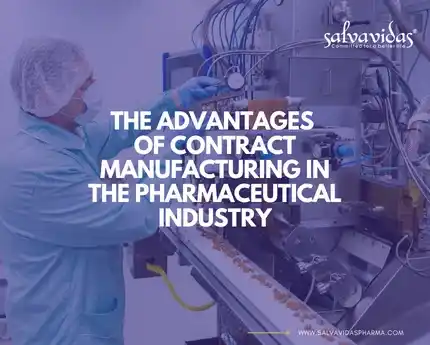
The Advantages of Contract Manufacturing in the Pharmaceutical Industry The pharmaceutical industry is constantly evolving, and companies are constantly searching for ways to improve their production processes, reduce costs and increase the quality of their products. One solution that has been gaining popularity in recent years is contract manufacturing. In this article, we will explore the advantages of contract manufacturing in the pharmaceutical industry and why it is becoming an increasingly popular option for companies. Introduction to Contract Manufacturing Contract manufacturing refers to the outsourcing of the manufacturing process of a product to a third-party manufacturer. In the pharmaceutical industry, contract manufacturing is often used for the production of drug products and other related items. The concept of contract manufacturing has been around for many years, but it has gained increased popularity in recent years as companies seek to streamline their operations and reduce costs. Cost Savings One of the biggest advantages of contract manufacturing in the pharmaceutical industry is cost savings. By outsourcing the manufacturing process to a third-party manufacturer, companies can reduce their production costs and improve their bottom line. Contract manufacturers are often able to produce products at a lower cost due to their economies of scale, and they can also provide cost savings through the use of advanced technology and process optimization. Reduced Production Time Another advantage of contract manufacturing in the pharmaceutical industry is reduced production time. Contract manufacturers have the experience, knowledge, and expertise to produce products quickly and efficiently, allowing companies to bring their products to market faster. This is particularly important in the fast-paced world of the pharmaceutical industry, where new products are constantly being developed and launched. Improved Product Quality Contract manufacturers are often highly specialized in the production of specific types of products, which means that they have the knowledge and expertise to produce high-quality products. By outsourcing the manufacturing process to a contract manufacturer, companies can ensure that their products are produced to the highest standards, helping to improve their reputation and increase customer satisfaction. Access to Cutting-Edge Technology Another advantage of contract manufacturing in the pharmaceutical industry is access to cutting-edge technology. Contract manufacturers are often at the forefront of technological advancements in the production of drug products and other related items, and they can provide companies with access to the latest technologies and processes. This helps companies to stay competitive and produce high-quality products that meet the evolving needs of their customers. Flexibility and Scalability Contract manufacturing also offers companies flexibility and scalability. By outsourcing the manufacturing process to a third-party manufacturer, companies can adjust their production capabilities as needed, allowing them to quickly respond to changes in demand for their products. This is particularly important in the pharmaceutical industry, where new products are constantly being developed and launched, and changes in demand can occur quickly. FAQs Q. What is contract manufacturing? A. Contract manufacturing is the outsourcing of the manufacturing process of a product to a third-party manufacturer. In the pharmaceutical industry, contract manufacturing is often used for the production of drug products and other related items. Q. What are the advantages of contract manufacturing in the pharmaceutical industry? A. The advantages of contract manufacturing in the pharmaceutical industry include cost savings, reduced production time, improved product quality, access to cutting-edge technology, and flexibility and scalability. Q. What are the benefits of outsourcing the manufacturing process to a contract manufacturer? A. The benefits of outsourcing the manufacturing process to a contract manufacturer include reduced production costs, improved production time, access to specialized knowledge and expertise, access to cutting-edge technology, and the ability to respond quickly to changes in demand for products. Q. Why is contract manufacturing becoming increasingly popular in the pharmaceutical industry? A. Contract manufacturing is becoming increasingly popular in the pharmaceutical industry due to the range of benefits it offers, including cost savings, reduced production time, improved product quality, access to cutting-edge technology, and flexibility and scalability. These benefits are increasingly important in an industry that is constantly evolving and seeking to improve production processes and increase customer satisfaction. Conclusion In conclusion, contract manufacturing offers a range of advantages to companies in the pharmaceutical industry. By outsourcing the manufacturing process to a third-party manufacturer, companies can reduce their production costs, improve their production time, increase the quality of their products, access cutting-edge technology, and remain flexible and scalable in a constantly evolving industry. The Advantages of Contract Manufacturing in the Pharmaceutical Industry make it an increasingly popular option for companies looking to streamline their operations and stay competitive in the marketplace. If you are a company in the pharmaceutical industry, it is worth considering the benefits of contract manufacturing for your business.
The Role of Supply Chain Management in Pharmaceutical Manufacturing and Export Introduction: Supply chain management is an integral part of any business operation, but it becomes especially crucial in the pharmaceutical industry. With the stakes high, it’s essential to have a well-functioning supply chain to ensure that drugs reach patients safely, efficiently, and affordably. This article will explore the role of supply chain management in pharmaceutical manufacturing and export. The Importance of Supply Chain Management in Pharmaceutical Manufacturing The pharmaceutical manufacturing process is complex, and it requires many different components to come together seamlessly. From sourcing raw materials to distributing finished products, the supply chain is a critical factor in ensuring that drugs are manufactured with the highest degree of quality and safety. One of the key benefits of having a strong supply chain management system in place is that it helps to minimize the risk of errors or defects in the manufacturing process. This, in turn, helps to ensure that drugs are produced in accordance with regulatory standards and that they are safe for patients. Another important aspect of supply chain management in pharmaceutical manufacturing is that it helps to minimize the cost of production. By streamlining the supply chain, companies can reduce the amount of waste that is generated, reduce the cost of raw materials, and minimize the time it takes to bring drugs to market. This, in turn, helps to ensure that drugs are made available to patients at an affordable price. Ensuring the Safety of Drugs During Export Another important aspect of supply chain management in the pharmaceutical industry is ensuring the safety of drugs during export. This is particularly important given the increasing globalization of the industry and the need for drugs to be transported over long distances. One of the key challenges of exporting drugs is ensuring that they are transported in conditions that maintain their quality and safety. This requires careful attention to detail and a thorough understanding of the transportation process, including the use of temperature-controlled packaging, proper labeling, and the handling of customs and other regulatory requirements. Supply chain management plays a crucial role in ensuring the safety of drugs during export. By having a well-designed transportation plan in place, companies can minimize the risk of drugs being damaged, delayed, or lost in transit. This, in turn, helps to ensure that drugs are delivered to patients in a timely and safe manner. The Role of Supply Chain Management in Mitigating Risks The pharmaceutical industry is one of the most regulated industries in the world, and it is subject to a wide range of risks. These risks include everything from the quality and safety of drugs to the regulatory and legal requirements that companies must meet. Supply chain management plays a critical role in mitigating these risks by ensuring that all aspects of the supply chain are managed in a way that minimizes the risk of errors or defects. This includes everything from the selection of suppliers to the transportation of drugs and the management of regulatory requirements. By having a strong supply chain management system in place, companies can minimize the risk of recalls, penalties, and other adverse events that could have a significant impact on their operations. This, in turn, helps to ensure that drugs are made available to patients in a safe, efficient, and affordable manner. Frequently Asked Questions Q: What is the role of supply chain management in the pharmaceutical industry? A: Supply chain management plays a critical role in ensuring the quality and safety of drugs, minimizing the cost of production, ensuring the safety of drugs during export, and mitigating risks in the industry. It covers everything from sourcing raw materials to manufacturing to the distribution and transportation of drugs. Q: Why is supply chain management important in pharmaceutical manufacturing? A: Supply chain management is important in pharmaceutical manufacturing because it helps to minimize the risk of errors or defects in the manufacturing process, reduce the cost of production, and ensure that drugs are produced in accordance with regulatory standards. Q: How does supply chain management ensure the safety of drugs during export? A: Supply chain management ensures the safety of drugs during export by having a well-designed transportation plan in place. This includes the use of temperature-controlled packaging, proper labeling, and the handling of customs and other regulatory requirements. By having a thorough understanding of the transportation process, companies can minimize the risk of drugs being damaged, delayed, or lost in transit. Conclusion: In conclusion, the role of supply chain management in the pharmaceutical industry is vital to ensuring the quality and safety of drugs, minimizing the cost of production, and mitigating risks. From sourcing raw materials to manufacturing to distribution and transportation, a well-functioning supply chain is essential for the successful operation of any pharmaceutical company. The pharmaceutical industry must continuously strive to improve its supply chain management processes to keep pace with the changing demands of the industry and the needs of patients. Contact Us: Name: Salvavidas Pharmaceutical Pvt.Ltd Email: info@salvavidaspharma.com Phone No: +91 98983 21242 Address: Corp. Office #102, Shubh Square, Near Lal Darwaja, Surat, Gujarat 395004, India

Introduction: The pharmaceutical industry is a critical aspect of modern society, providing essential medicines and treatments to improve human health and well-being. The industry is highly regulated to ensure that products are of the highest quality, safe, and effective for patients. One of the key components of this regulation is Good Distribution Practices (GDPs). In this article, we will delve into the importance of Good Distribution Practices in the pharmaceutical industry. What are Good Distribution Practices (GDPs)? Good Distribution Practices (GDPs) are a set of guidelines and principles that govern the distribution of pharmaceutical products. They are designed to ensure that products are transported, stored, and handled in a way that preserves their safety, quality, and efficacy. GDPs cover a range of activities, from product storage and transportation to the maintenance of temperature-controlled environments and the handling of returns and recalls. Why are Good Distribution Practices important in the Pharmaceutical Industry? There are several reasons why Good Distribution Practices are critical to the pharmaceutical industry, including: Maintaining the quality of pharmaceutical products Ensuring patient safety Complying with regulations Protecting the reputation of the industry Maintaining the Quality of Pharmaceutical Products GDPs are designed to ensure that products are transported and stored in a way that maintains their quality and efficacy. This includes the maintenance of temperature-controlled environments and the handling of products in a manner that minimizes the risk of damage. By following GDPs, the industry can ensure that products are of the highest quality when they reach patients. Ensuring Patient Safety Patient safety is a top priority in the pharmaceutical industry, and GDPs play a key role in ensuring this. By following GDPs, the industry can minimize the risk of contamination and reduce the likelihood of adverse reactions to pharmaceutical products. This helps to ensure that patients receive safe and effective treatments. Complying with Regulations The pharmaceutical industry is highly regulated, and GDPs are a critical component of these regulations. By following GDPs, the industry can demonstrate its commitment to compliance and help to ensure that products are of the highest quality. This, in turn, helps to protect patients and maintain the reputation of the industry. Protecting the Reputation of the industry The pharmaceutical industry is a critical aspect of modern society, and it is essential that it is seen as trustworthy and reliable. GDPs help to protect the reputation of the industry by demonstrating its commitment to quality, safety, and compliance. By following GDPs, the industry can maintain its standing as a critical provider of essential medicines and treatments. What are the Key Components of Good Distribution Practices? Good Distribution Practices encompass a wide range of activities and processes, including: Temperature-controlled storage and transportation Proper labeling and documentation Proper handling and packaging Quality control and monitoring Returns and recalls management Each of these components is critical to the success of Good Distribution Practices, and it is essential that they are followed by all members of the pharmaceutical supply chain. Frequently Asked Questions (FAQs) Q. What are Good Distribution Practices (GDPs)? A. GDPs are a set of guidelines and principles that govern the distribution of pharmaceutical products, designed to ensure their safety, quality and efficacy. Q. Why are Good Distribution Practices important in the Pharmaceutical Industry? A. Good Distribution Practices are important in the pharmaceutical industry because they help to maintain the quality of pharmaceutical products, ensure patient safety, comply with regulations, and protect the reputation of the industry. Q. What are the key components of Good Distribution Practices? A. The key components of Good Distribution Practices include temperature-controlled storage and transportation, proper labelling and documentation, proper handling and packaging, quality control and monitoring, and returns and recalls management. Q. Who is responsible for following Good Distribution Practices? A. All members of the pharmaceutical supply chain are responsible for following Good Distribution Practices, from manufacturers to distributors to wholesalers to retailers. Conclusion: In conclusion, Good Distribution Practices play a critical role in the pharmaceutical industry, helping to ensure the safety and quality of pharmaceutical products throughout the supply chain. By following GDPs, the industry can demonstrate its commitment to quality, safety, and compliance, and maintain its standing as a critical provider of essential medicines and treatments. The Importance of Good Distribution Practices in the Pharmaceutical Industry cannot be overstated, and it is essential that all members of the pharmaceutical supply chain are committed to following these guidelines. Contact Us: Name: salvavidas pharmaceutical pvt. ltd Email: info@salvavidaspharma.com Phone No: +91 98983 21242 Address: Corp. Office #102, Shubh Square, Near Lal Darwaja, Surat, Gujarat 395004, India
Popular Blog
Categories
Monthly Archives
- March 2026
- February 2026
- January 2026
- December 2025
- November 2025
- October 2025
- September 2025
- August 2025
- July 2025
- June 2025
- May 2025
- February 2025
- January 2025
- October 2024
- August 2024
- July 2023
- April 2023
- March 2023
- February 2023
- December 2022
- November 2022
- October 2022
- September 2022
- August 2022
0