
What Is API in Pharma? – All the Information You Need
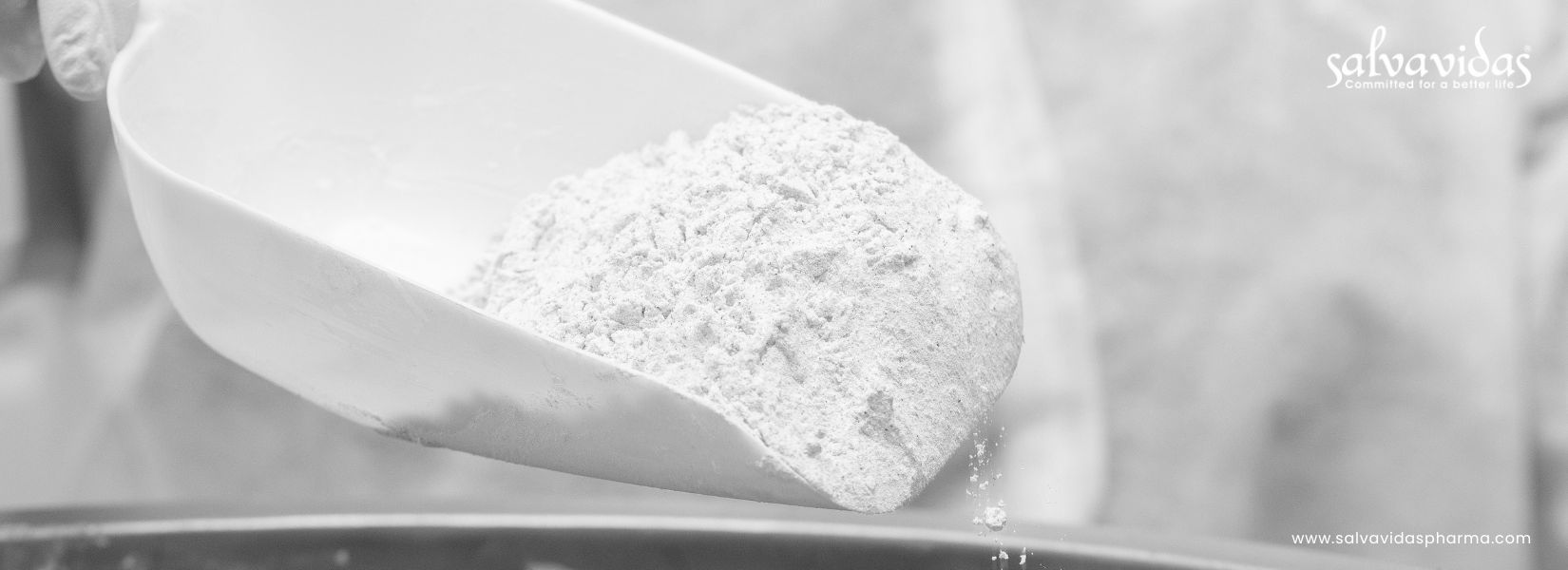
API full form in pharma is Active Pharmaceutical Ingredient. It is the biologically active substance in a tablet, capsule, syrup or injection that produces the therapeutic effect. Everything else in the dose is there to carry, protect or release it.
That one line answers the search. But if you buy, sell or formulate medicines, you need more than a definition. You need to know where the API comes from, how it is tested and what separates a good supplier from a risky one.
At Salvavidas, we manufacture and supply APIs to formulators in India and abroad. You can browse our full range of API Products to see the molecules we work with every day. This guide covers what we explain to new buyers in our first meeting.
What Does API Mean in Medicine?
Think of API medicine as the part of the pill that does the actual work. Paracetamol in Crocin brings down fever. Metformin in Glycomet lowers blood sugar. Remove the API and you are left with starch, binders and coating.
Some brands carry the API name on the box. Others don’t. Either way, the label must list the active ingredient and its strength, usually in mg per unit.
Common Examples of API in Drugs
Here are a few everyday medicines and the API inside each one.
| Medicine (Brand) | API | Main Use |
|---|---|---|
| Crocin | Paracetamol | Fever and mild pain |
| Benadryl (US tablets) | Diphenhydramine | Allergy symptoms |
| Glycomet | Metformin | Type 2 diabetes |
| Amoxil | Amoxicillin | Bacterial infections |
| Ecosprin | Ecosprin | Blood thinning, pain |
An older version of this article said Benadryl works through acetaminophen. That was wrong, and we’ve corrected it. The antihistamine effect comes from diphenhydramine.
API vs Excipients: What’s the Difference?
Every dose has two kinds of ingredients. The API gives the effect. Excipients have no therapeutic action of their own. They hold the tablet together, help it dissolve at the right speed or mask a bitter taste.
Typical excipients include:
- Binders such as povidone that hold powder into a tablet
- Fillers such as lactose or microcrystalline cellulose that add bulk
- Disintegrants that help the tablet break apart in the stomach
- Lubricants such as magnesium stearate that stop sticking during pressing
- Coatings that protect the API from moisture or stomach acid
A wrong excipient choice can change how fast the API is absorbed. So formulators treat excipients seriously, even though they are “inactive.”
Types of APIs
Not every API is made the same way. Most API in drugs sold today are synthetic small molecules, built step by step through chemical reactions. Paracetamol and metformin fall in this group.
Biological APIs come from living cells. Insulin, vaccines and monoclonal antibodies belong here, and they need fermentation or cell culture instead of a reactor.
High potency APIs (HPAPIs) are active at very small doses, as in many cancer drugs. They need closed handling systems to protect workers. Natural APIs, extracted from plants, are a smaller group but growing in herbal and nutraceutical products.
How Are APIs Made?
API production starts with raw materials, often called key starting materials (KSMs). These go through chemical reactions that create intermediates. Each intermediate moves one step closer to the final molecule.
Here is how a typical synthetic API moves through a plant:
- Sourcing and testing raw materials against set specifications
- Running reactions in batch or flow reactors to build the molecule
- Purifying and crystallizing the product to reach the right polymorph
- Drying, milling and sieving to hit the target particle size
- Final QC testing for assay, impurities and residual solvents
We’ve written a step-by-step breakdown of how Pharmaceutical APIs Manufactured at scale actually move from reactor to drum, including the checks at each stage.
API vs Raw Materials vs Intermediates
People mix these up all the time. Raw materials are basic chemicals. Intermediates are partly built molecules. The API is the finished active substance ready for formulation. A manufacturer buys the first, makes the second and sells the third.
How Drug Companies Source APIs
Twenty years ago, many big brands made their own APIs in house. Today most outsource. Building and running a GMP API plant costs a lot, and specialist manufacturers can do it at lower cost per kilo.
That shift created a large market for drug API contract manufacturing. A formulator shares its specification, and a contract partner produces the API under GMP, often filing the regulatory dossier too. India and China lead this space globally.
When you choose an API pharmaceutical company as a partner, check these points first. Does it hold WHO-GMP certification? Can it share a Drug Master File (DMF) or a CEP? How did its last regulatory audit go? A cheap quote means nothing if the batch fails import testing.
Quality and Regulatory Standards
API makers follow ICH Q7, the global GMP guide for active ingredients. Depending on the export market, they may also need USFDA approval, an EU CEP or a CDSCO licence in India.
Weak API quality is not a paperwork problem. Impurities or wrong potency can make a medicine fail, or harm patients. That is why regulators test imported APIs and audit overseas sites.
Why API Information Matters in Pharma Marketing
Buyers today research online before they ever send an enquiry. Good API integration pharma marketing means your product pages, catalogues and blogs show the molecule, grade, CAS number, DMF status and pack sizes clearly. Vague pages lose serious buyers.
The same applies to technical writing. Strong drug development content API sections should state the assay range, impurity limits and stability data, not just a marketing description. Procurement teams compare these numbers line by line.
We see this in our own enquiries. Buyers who find spec details on our site ask better questions and close faster. That is the practical side of API integration pharma marketing done well.
If you are a formulator looking for a reliable API pharmaceutical company, our team can share specs, COAs and regulatory documents on request. Our focus has always been on High-Quality Medicines built on consistent, well-tested ingredients.
Conclusion
The API is the reason any medicine works. Knowing the API in drugs you buy or sell, and how it was made, protects both patients and your business. Whether you are writing drug development content API pages or comparing suppliers, start with the molecule, the specs and the paperwork. If you want to talk API medicine sourcing, the Salvavidas team is a call away.
FAQs
Q1. Is API the same as a drug?
No. The API is the active part. The drug, or finished formulation, is the API combined with excipients in a dosage form like a tablet or injection.
Q2. Is paracetamol an API?
Yes. Paracetamol is the API in medicines such as Crocin and Calpol. The tablet also contains fillers, binders and coating that are not active.
Q3. What is drug API contract manufacturing?
It is when a pharma company hires a specialist partner to produce an API to its specification under GMP. This drug API contract manufacturing model cuts plant and labour costs for the brand owner.