
Types of Dosage Forms and Their Impact on Effectiveness
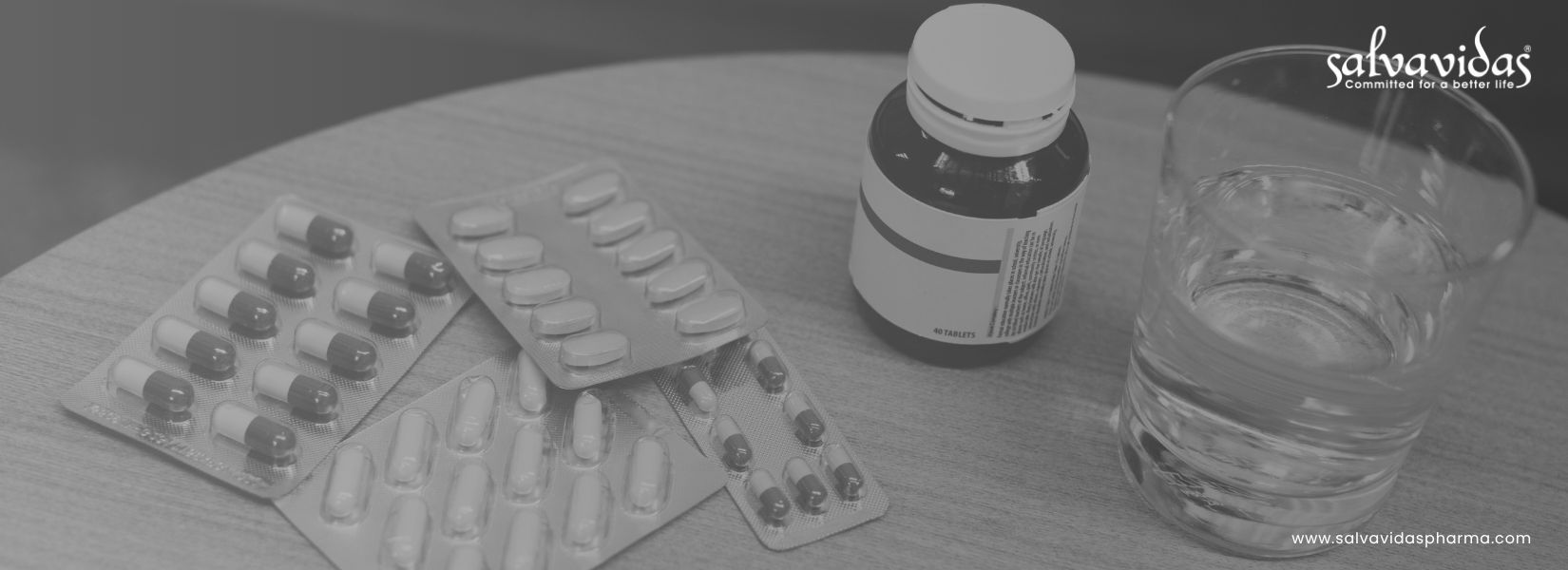
Types of Dosage Forms and Their Impact on Medication Effectiveness
Two people can take the same drug at the same strength and still get very different results. One swallows a tablet, the other gets an injection. The difference comes down to the types of dosage forms and how each one moves a drug into the body.
A dosage form is the physical shape a medicine takes before it reaches the patient. That shape decides how fast the drug gets absorbed, how long it lasts, and how easy it is to take every day. Doctors, pharmacists and manufacturers think about this long before a product hits the shelf.
Quality standards shape this process from the very start. Regulators expect every finished product to meet strict rules on purity, stability and dose accuracy, which is why WHO GMP Finished Dosage Forms guidelines matter so much for manufacturers who supply hospitals and pharmacies in global markets.
What Is a Dosage Form and Why Does It Matter?
A dosage form combines the active pharmaceutical ingredient (API) with excipients such as binders, fillers, preservatives and coatings. The API does the medical work. The excipients help it stay stable, taste bearable and release at the right speed once it enters the body.
Picking the wrong form can weaken even a well-made drug. Insulin taken by mouth breaks down in the stomach before it can act, so it has to be injected. Some antibiotics taste so bitter that children refuse them unless they come as flavored suspensions.
This is why pharmacists study the types of dosage forms in pharmaceutics as a core part of their training. The form is not just packaging. It is part of how the medicine works, and it directly affects dose accuracy, onset time and patient comfort.
- Controls how fast the drug enters the bloodstream
- Protects the API from moisture, light and stomach acid
- Masks unpleasant taste or smell
- Makes dosing simpler for children, older adults and patients with swallowing problems
How Many Types of Dosage Form Are There?
There is no single fixed number, but most textbooks group them by physical state and by route of administration. A reliable Finished Dosage Forms Manufacturer usually works with these same categories when planning production lines, stability testing and packaging for different markets.
When students ask how many types of dosage form exist, the short answer is four main groups: solid, liquid, semi-solid and gaseous. Inside each group sit dozens of specific products, from chewable tablets and lozenges to nasal sprays and eye drops.
Classifying by route is just as useful. Oral, parenteral, topical, inhalation, rectal, vaginal, ophthalmic and otic routes all need their own designs. A drug meant for the eye must be sterile, while an oral tablet needs to survive the trip through digestion.
- Solid: tablets, capsules, powders, granules, lozenges
- Liquid: syrups, solutions, suspensions, emulsions, elixirs
- Semi-solid: creams, ointments, gels, pastes, suppositories
- Gaseous: inhalers, aerosols, nebulizer solutions
Solid Dosage Forms
Solid forms make up the largest share of medicines sold worldwide. They are cheap to produce, easy to pack and simple to store. Most patients also find a single tablet a day far easier to remember than a measured spoonful of syrup.
Their main drawback is speed. A tablet has to break apart, dissolve and pass through the gut wall before it works. That delay is fine for blood pressure drugs taken daily, but less helpful when someone needs pain relief within minutes.
Precision in making these products is non-negotiable. Weight variation, hardness and dissolution rate get tested batch by batch, and specialists in Oral Solid Dosage Manufacturing rely on validated equipment to keep every single tablet within tight limits.
- Long shelf life compared with liquids
- Accurate, fixed dose in every unit
- Easy to coat for taste masking or delayed release
- Low cost for large production runs
Tablets
Tablets come in many versions: film coated, enteric coated, chewable, effervescent, sublingual and extended release. An enteric coating stops the tablet from dissolving in the stomach, which protects drugs like pantoprazole from acid and shields the stomach lining from irritation.
Capsules
Capsules hold powder, pellets or liquid inside a gelatin or plant-based shell. They are easier to swallow for many people and hide bad taste well. Soft gel capsules often carry oily ingredients such as vitamin D or omega 3 and tend to absorb quickly.
Powders and Granules
Powders and granules suit patients who cannot swallow tablets, or drugs needed in large doses. Oral rehydration salts are a common example. They are mixed with water just before use, which also keeps unstable ingredients fresh until the moment they are taken.
Liquid Dosage Forms
Liquids act faster than most solids because the drug is already dissolved or finely spread through the fluid. The body skips the step of breaking a tablet apart. That makes them a strong choice for children, older patients and anyone with trouble swallowing.
Liquids do bring their own challenges, including shorter shelf life, dose measuring errors and microbial growth. Preservatives and careful packaging handle most of these risks, and they form part of what defines Finished Pharmaceutical Products that are ready for safe patient use.
Parenteral liquids, meaning injections and infusions, deserve special mention. They bypass the gut completely and reach the bloodstream directly. This gives the fastest and most predictable effect, which is exactly why emergency medicine depends on them so heavily.
- Solutions: drug fully dissolved in a clear liquid
- Suspensions: solid particles spread in liquid, shaken before use
- Syrups and elixirs: sweetened or alcohol based for better taste
- Injections: sterile liquids given by IV, IM or subcutaneous route
What Type of Dosage Form Is Emulsion?
Many students wonder what type of dosage form is emulsion because it looks like a simple liquid. It is actually a biphasic liquid dosage form, where one liquid is spread as tiny droplets through another liquid it cannot normally mix with, such as oil in water.
An emulsifying agent keeps the two phases from separating. Oral emulsions can hide the oily taste of products like cod liver oil, while intravenous lipid emulsions deliver nutrition and some anesthetics such as propofol straight into the bloodstream.
Semi-Solid, Gaseous and Other Dosage Forms
Semi-solid forms are made mainly for use on skin and mucous membranes. Creams, ointments and gels keep the drug right where it is needed, such as on a rash or a sore joint, and limit how much reaches the rest of the body.
Gaseous forms target the lungs. Metered dose inhalers and dry powder inhalers send asthma drugs straight into the airways, so a small dose works fast with fewer side effects than a tablet. Correct technique matters, though, since poor use can waste most of the dose.
Newer formats keep growing too. Transdermal patches slowly deliver drugs such as nicotine or fentanyl through the skin over a period of days. When standard forms fail, implants, eye inserts and orally dissolving films offer doctors more options .
- Ointments: greasy base, good for dry skin
- Creams: lighter, absorb faster, less greasy
- Gels: cooling, clear and easy to spread
- Patches: steady release over hours or days
- Inhalers: direct delivery to the lungs
How Dosage Forms Affect Medication Effectivenessedicine?
Effectiveness depends heavily on bioavailability, which is the share of a dose that actually reaches circulation. An IV injection gives 100 percent bioavailability by definition. An oral tablet of the same drug may deliver far less after the liver takes its share.
Onset and duration also shift with form. A sublingual nitroglycerin tablet relieves chest pain in a few minutes, while an extended release tablet spreads its effect across a full day. Both can be right. It depends on what the patient needs at that moment.
Comparing the types of dosage forms of drugs side by side makes these differences much easier to see. The table below sets out how common forms perform on speed, bioavailability and the kind of patient they suit best.
- Bioavailability: how much drug reaches the blood
- Onset: how quickly the effect begins
- Duration: how long the effect lasts
- Adherence: how likely patients are to take it correctly
| Dosage Form | Route | Onset of Action | Bioavailability | Best Suited For |
|---|---|---|---|---|
| Tablet | Oral | 30 to 90 minutes | Variable, often moderate | Long-term daily therapy |
| Capsule | Oral | 20 to 60 minutes | Moderate to good | Taste masking, oily drugs |
| Syrup or Suspension | Oral | 15 to 45 minutes | Good | Children, older adults |
| Injection (IV) | Parenteral | Seconds to minutes | 100% | Emergencies, hospital care |
| Inhaler | Inhalation | 1 to 5 minutes | High at lung site | Asthma, COPD |
| Cream or Ointment | Topical | Local, gradual | Low systemic | Skin conditions |
| Transdermal Patch | Transdermal | Several hours | Steady, controlled | Chronic pain, smoking cessation |
Choosing the Right Dosage Form
Choosing among the types of dosage forms means balancing the drug’s chemistry with the patient’s daily life. Age, swallowing ability, dosing frequency and whether the condition is acute or chronic all feed into the decision. Cost and storage count too, especially in hot climates.
Pharmaceutical companies weigh the different types of dosage forms early in development. A drug that breaks down in stomach acid may be redesigned as an enteric tablet, an injection or a patch before it ever reaches clinical trials.
Patients have a say as well. Someone who travels often may prefer tablets over bottles of liquid, and a child may take a flavored suspension without a fight. Across all types of dosage forms of drugs, matching the form to real habits improves adherence, and partners in Advanced Healthcare Manufacturing help turn those choices into reliable products.
Conclusion
The form a medicine takes shapes how well it works, how quickly it acts and how willingly patients use it. Getting that choice right depends on sound science, careful formulation and consistent production standards at every stage of the supply chain.
Whether it is a simple tablet or a lipid emulsion, every dosage form exists to deliver the right dose at the right speed. Understanding these options helps patients, prescribers and buyers make better decisions about treatment.
Frequently Asked Questions
1: How Many Types of Dosage Form Exist?
Dosage forms fall into four main groups: solid, liquid, semi-solid and gaseous. Each group includes many specific products.
2: What Type of Dosage Form Is Emulsion in Pharmacy?
An emulsion is a biphasic liquid dosage form. It can be taken orally, applied to the skin or given intravenously.
3: Which Dosage Form Works the Fastest?
Intravenous injections work fastest because they enter the bloodstream directly. Inhalers and sublingual tablets follow close behind.