

Introduction: The pharmaceutical manufacturing industry is one of the most highly regulated industries in the world. The production of pharmaceutical products requires strict adherence to safety and quality standards. The introduction of automation in the pharmaceutical manufacturing process has revolutionised the industry, making it more efficient, productive, and safe. In this article, we will explore the advantages of automation in pharmaceutical manufacturing and how it has improved the industry. Advantages of Automation in Pharmaceutical Manufacturing: Improved Efficiency: Automation has significantly improved the efficiency of the pharmaceutical manufacturing process. Automated machines can work around the clock, producing products at a much faster rate than manual labour. Automated systems can also carry out repetitive tasks, such as filling and labelling, more accurately and efficiently than human workers. Increased Productivity: Automated systems can operate 24/7, increasing productivity and reducing downtime. With automation, pharmaceutical companies can produce more products in a shorter amount of time, thereby increasing their bottom line. Automation also reduces the need for human intervention, which reduces the chances of errors and delays in the manufacturing process. Better Quality Control: Automated systems can monitor and control the manufacturing process, ensuring that the products are manufactured to the required quality standards. Automated systems can detect any deviations in the manufacturing process and take corrective actions to ensure that the final product meets the required specifications. This level of quality control is difficult to achieve with manual labour. Enhanced Safety: Automation has significantly enhanced safety in pharmaceutical manufacturing. Automated systems can handle hazardous materials and processes, reducing the risk of accidents and exposure to harmful chemicals. Automated systems can also reduce the risk of contamination, as they can operate in a clean and controlled environment Cost-Effective: Automation in pharmaceutical manufacturing is a cost-effective solution for companies. Automated systems can produce more products in less time, reducing labour costs and increasing the overall efficiency of the manufacturing process. Automation also reduces the chances of human error, which can result in costly mistakes and delays. FAQs: Q: What are the disadvantages of automation in pharmaceutical manufacturing? A: The main disadvantage of automation in pharmaceutical manufacturing is the initial cost of setting up automated systems. Additionally, automated systems require maintenance, which can be costly. Q: How does automation improve quality control in pharmaceutical manufacturing? A: Automated systems can monitor and control the manufacturing process, ensuring that the products are manufactured to the required quality standards. Automated systems can detect any deviations in the manufacturing process and take corrective actions to ensure that the final product meets the required specifications. Q: How does automation enhance safety in pharmaceutical manufacturing? A: Automation has significantly enhanced safety in pharmaceutical manufacturing. Automated systems can handle hazardous materials and processes, reducing the risk of accidents and exposure to harmful chemicals. Automated systems can also reduce the risk of contamination, as they can operate in a clean and controlled environment. Conclusion: Automation in pharmaceutical manufacturing has revolutionised the industry, offering numerous advantages such as increased efficiency, productivity, quality control, safety, and cost-effectiveness. The use of automated systems has become an essential part of the pharmaceutical manufacturing process, allowing companies to produce high-quality products at a faster rate and at a lower cost. As technology continues to evolve, we can expect to see further advancements in automation in pharmaceutical manufacturing.

Introduction: Customer service plays a crucial role in the pharmaceutical industry, especially in India, which is one of the largest exporters of generic drugs worldwide. In recent years, there has been a significant shift in the industry towards customer-centricity, where companies are focusing more on providing excellent customer service to gain a competitive advantage. In this article, we will explore the role of customer service in pharmaceutical manufacturing and export in India. We will examine how customer service can improve the overall customer experience, build brand loyalty, and drive growth in the industry. The Importance of Customer Service in Pharmaceutical Manufacturing and Export Key Components of Effective Customer Service in the Pharma Industry Challenges in Providing Excellent Customer Service in the Pharma Industry Strategies to Improve Customer Service in Pharmaceutical Manufacturing and Export The Benefits of Investing in Customer Service for Pharma Companies FAQs about Customer Service in Pharmaceutical Manufacturing and Export Conclusion: The Significance of Customer Service in the Pharma Industry The Importance of Customer Service in Pharmaceutical Manufacturing and Export Ensuring Patient Safety and Satisfaction Meeting Regulatory Compliance Building Trust and Credibility with Customers Key Components of Effective Customer Service in the Pharma Industry Prompt Response to Customer Queries and Complaints Personalized and Proactive Communication Flexibility and Responsiveness to Customer Needs Challenges in Providing Excellent Customer Service in the Pharma Industry Stringent Regulatory Environment Language and Cultural Barriers Limited Availability of Skilled Talent Strategies to Improve Customer Service in Pharmaceutical Manufacturing and Export Implementing Technology and Automation Investing in Employee Training and Development Creating a Customer-Centric Culture The Benefits of Investing in Customer Service for Pharma Companies Improved Customer Experience and Satisfaction Increased Brand Loyalty and Trust Enhanced Competitive Advantage and Market Share FAQs about Customer Service in Pharmaceutical Manufacturing and Export What are the key challenges in providing excellent customer service in the pharma industry? How can technology and automation help improve customer service in the pharma industry? What are the benefits of investing in customer service for pharma companies? Conclusion: The Significance of Customer Service in the Pharma Industry In conclusion, the role of customer service in pharmaceutical manufacturing and export in India cannot be overstated. Providing excellent customer service is crucial for pharma companies to ensure patient safety and satisfaction, meet regulatory compliance, and build trust and credibility with customers. While there are challenges to providing excellent customer service in the industry, investing in technology, employee training, and creating a customer-centric culture can help overcome these obstacles. Ultimately, the benefits of investing in customer service for pharma companies are improved customer experience and satisfaction increased brand loyalty and trust, and enhanced competitive advantage and market share. The Importance of Customer Service in Pharmaceutical Manufacturing and Export Ensuring Patient Safety and Satisfaction In the pharmaceutical industry, patient safety and satisfaction are of utmost importance. Providing excellent customer service can help to ensure that patients receive the right medication, in the right dosage, and at the right time. By having a responsive and knowledgeable customer service team, patients can receive prompt and accurate information on medication usage, potential side effects, and other concerns. Meeting Regulatory Compliance The pharmaceutical industry is heavily regulated, with strict guidelines and regulations that must be followed to ensure the safety and efficacy of drugs. Customer service plays a critical role in ensuring that pharma companies meet these regulatory compliance requirements. A knowledgeable and well-trained customer service team can ensure that all customer interactions are compliant with regulatory guidelines. Building Trust and Credibility with Customers Excellent customer service can also help pharma companies to build trust and credibility with customers. By providing accurate and timely information, addressing customer concerns and complaints promptly, and delivering on promises, companies can build a positive reputation and brand loyalty. Key Components of Effective Customer Service in the Pharma Industry Prompt Response to Customer Queries and Complaints In the pharmaceutical industry, customers may have questions or concerns about their medication or treatment. It is essential to have a customer service team that is readily available to answer customer queries and complaints. A prompt response can help to alleviate any concerns or anxiety that the customer may have. Personalized and Proactive Communication Personalized and proactive communication is another critical component of effective customer service in the pharma industry. By understanding each customer’s unique needs and preferences, pharma companies can tailor their communication to meet those specific needs. Proactive communication, such as reminders about medication refills or upcoming appointments, can help to ensure that customers stay on track with their treatment. Flexibility and Responsiveness to Customer Needs Finally, flexibility and responsiveness to customer needs are critical components of effective customer service in the pharma industry. Pharma companies must be able to adapt to changing customer needs, such as offering home delivery or providing language interpretation services. Being responsive to customer needs can help to build a positive reputation and brand loyalty. Challenges in Providing Excellent Customer Service in the Pharma Industry Stringent Regulatory Environment One of the most significant challenges in providing excellent customer service in the pharma industry is the stringent regulatory environment. Companies must adhere to strict guidelines and regulations when communicating with customers, which can limit their ability to provide personalized or proactive communication. Language and Cultural Barriers In a country as diverse as India, language and cultural barriers can also pose a challenge to providing excellent customer service. Pharma companies must ensure that their customer service team can communicate effectively with customers in their preferred language and understand cultural nuances. Limited Availability of Skilled Talent Finally, the limited availability of skilled talent can also pose a challenge in providing excellent customer service in the pharma industry. Companies must invest in employee training and development to ensure that their customer service team has the necessary knowledge and skills to provide effective customer service. Strategies to Improve Customer Service in Pharmaceutical Manufacturing and Export Implementing Technology and Automation One way to improve customer service in the pharma industry is by implementing technology and automation. Chatbots, for example,
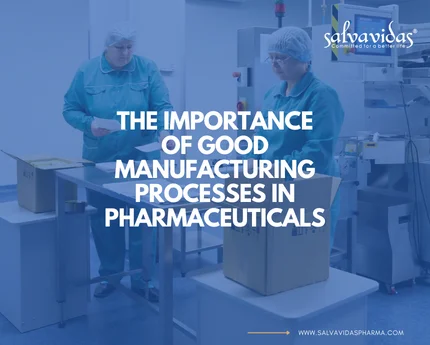
Introduction: The pharmaceutical industry plays a crucial role in the healthcare sector by producing drugs that are safe, effective, and of high quality. Good manufacturing practices (GMP) are the foundation of quality assurance in the pharmaceutical industry. GMP encompasses all aspects of the drug manufacturing process, from the raw materials used to the final product’s packaging and labeling. The goal of GMP is to ensure that drugs are manufactured consistently and meet quality standards that are safe for human consumption. In this article, we will discuss the importance of good manufacturing processes in pharmaceuticals. Ensuring product quality and safety Regulatory compliance and legal requirements Maintaining public trust and reputation Improving operational efficiency and reducing costs Raw material quality control Product testing and analysis Cleanroom and equipment maintenance Personnel training and hygiene FDA regulations in the USA EMA regulations in the EU ICH guidelines for global harmonization Consumer confidence and product loyalty Minimizing product recalls and liability risks Avoiding negative publicity and reputational damage Process optimization and waste reduction Continuous improvement and innovation Meeting market demand and staying competitive Bullet points: Good manufacturing processes ensure that the final product is of high quality, safe, and effective for human consumption. The regulatory requirements for GMP are strict and necessary to protect public health and safety. The pharmaceutical industry’s reputation depends on producing safe and effective drugs, which requires compliance with GMP. Following GMP can help reduce costs and increase operational efficiency by optimizing processes and reducing waste. FAQs: Q. What is GMP, and why is it important in the pharmaceutical industry? A. GMP is a set of guidelines and regulations that ensure pharmaceuticals are manufactured consistently, safely, and with high quality. GMP is essential in the pharmaceutical industry to ensure the safety and efficacy of drugs. Q. Who sets the standards for GMP in the pharmaceutical industry? A. Regulatory authorities such as the FDA in the USA, EMA in the EU, and WHO on a global level set the standards for GMP in the pharmaceutical industry. Q. What are the consequences of not following GMP in the pharmaceutical industry? A. Not following GMP can lead to product recalls, legal action, damage to the company’s reputation, and harm to the public. Conclusion: Good manufacturing processes are crucial in the pharmaceutical industry to ensure that drugs are of high quality, safe, and effective for human consumption. GMP is necessary to comply with regulatory requirements, maintain public trust and reputation, and reduce costs by optimizing processes. Pharmaceutical companies must follow GMP to produce safe and effective drugs that meet quality standards, protect public health and safety, and maintain consumer confidence. The importance of good manufacturing processes in pharmaceuticals cannot be overstated, and failure to comply with GMP can have serious consequences for both the company and the public. In conclusion, good manufacturing processes are essential for the pharmaceutical industry to produce safe and effective drugs that meet regulatory requirements and quality standards. GMP is the foundation of quality assurance in the pharmaceutical industry, and companies that follow GMP can maintain public trust and reputation, reduce costs, and improve operational efficiency. Failure to comply with GMP can have severe consequences for both the company and the public. Thus, it is crucial for pharmaceutical companies to follow GMP to ensure the safety, quality, and efficacy of their products. The importance of good manufacturing processes in pharmaceuticals cannot be emphasized enough, and it is necessary to ensure that the drugs produced are of high quality, safe, and effective for human consumption.
0